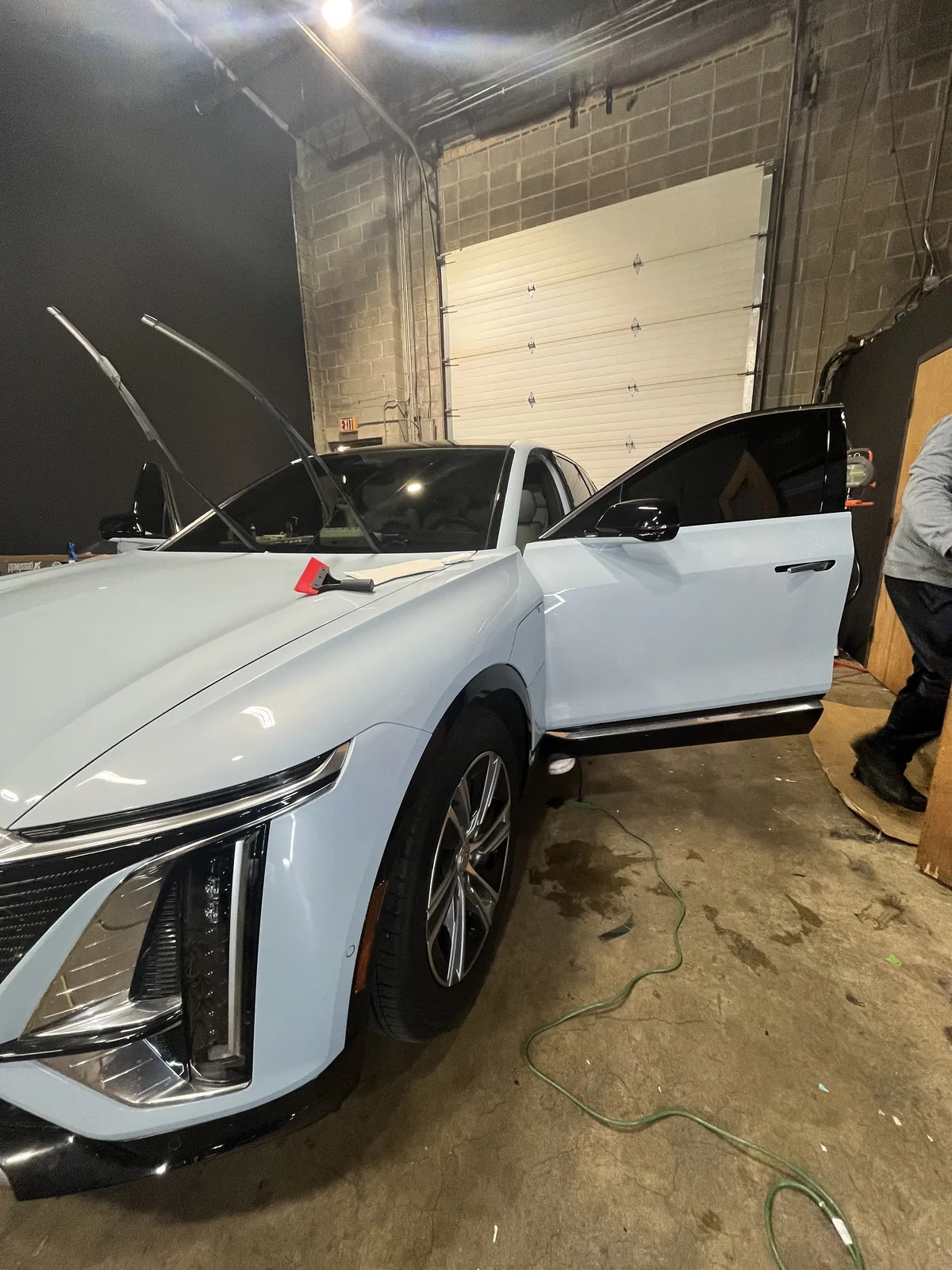
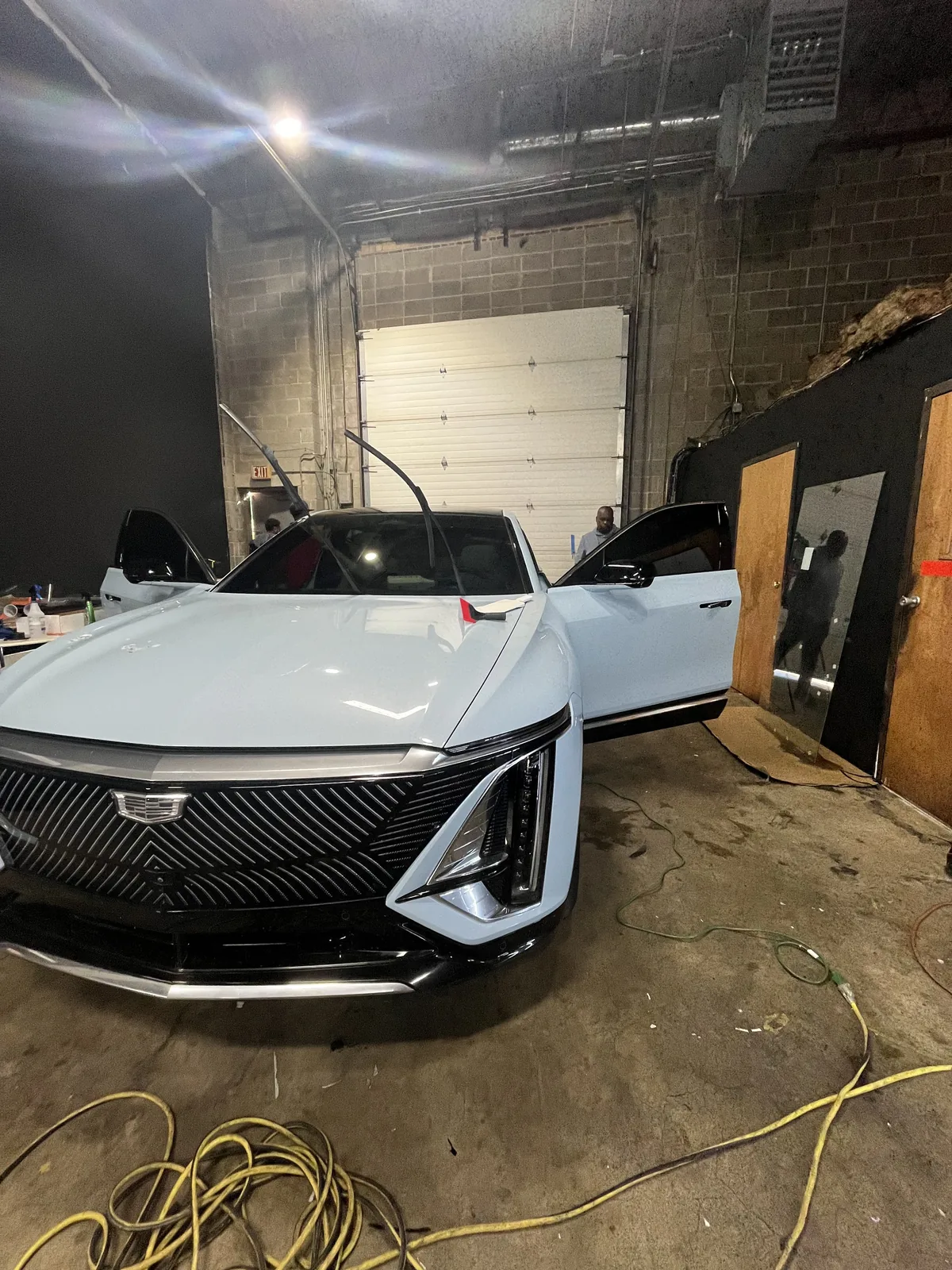
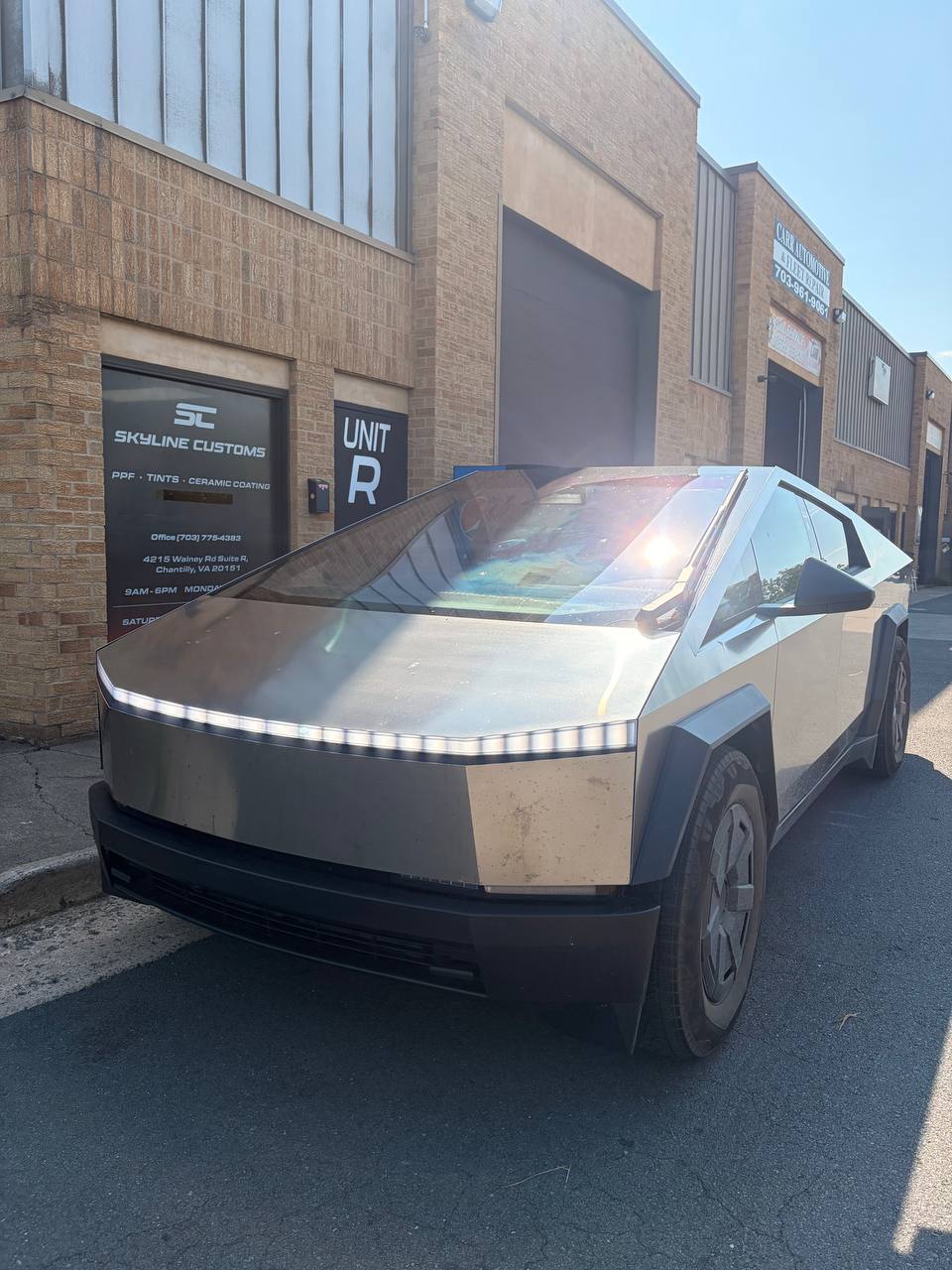
If you are getting your windows tinted in Northern Virginia, know the rules before you book. Virginia sets specific limits on how dark and how reflective your tint can be. Get it wrong and you are looking at a fix-it ticket, a fine, and a failed state safety inspection.
At Skyline Custom Shop in Chantilly, VA, we tint cars, SUVs, and trucks every week and meter every one before it leaves. Here is everything you need to know about Virginia's 2026 window tint regulations, in plain English.
What Is VLT and Why Does It Matter?
VLT stands for Visible Light Transmission: the percentage of light that passes through your window glass and film combined. A higher VLT is a lighter tint, a lower VLT is darker. Virginia sets a minimum VLT for each window on your vehicle, and going below it is a traffic violation. The word "combined" matters, because your factory glass already blocks some light before any film goes on.
Virginia Window Tint Laws by Window (2026)
Sedans: the windshield allows non-reflective tint on the top five inches only (the AS-1 line). Front side windows must allow more than 50% VLT. Rear side windows and the rear window must allow more than 35% VLT.
SUVs, trucks, and vans: the windshield and front side window rules are the same, but rear side windows and the rear window can be any darkness. That gives SUV and truck owners much more flexibility in the back.
For SUV and truck owners: 20% or even 5% limo tint on the rear windows is legal in Virginia, and it is the most popular setup we install on family SUVs and pickups.
Reflectivity Rules
Virginia also limits how reflective tint can be. Front and rear windows may not be more than 20% reflective. Mirror-finish films are out, but the ceramic films we install are not reflective at all, so this is never an issue with a modern install.
Are There Medical Exemptions?
Yes. Virginia allows medical exemptions for drivers with conditions that require reduced sun exposure, such as lupus, porphyria, or severe photosensitivity. The exemption comes from the Virginia DMV with a doctor's authorization, and it permits darker tint on the front side windows. You must keep the exemption certificate in the vehicle. If you have one, bring it to your appointment and we will install to the exempted limits.
What Happens If Your Tint Is Too Dark?
Illegal tint in Virginia usually results in a fix-it ticket: you have a set number of days to remove the film and get the correction signed off. Fines vary by jurisdiction and go up for repeat offenses. The bigger cost is the annual safety inspection, which your vehicle will fail with illegal tint, plus the price of stripping film and paying for a second install.
Why Ceramic Tint Is the Smart Choice Under Virginia Law
The legal limits are about darkness, not heat rejection. That is why ceramic film is the upgrade we recommend: a legal 50% ceramic film on the front windows rejects far more heat than an illegal 20% dyed film, and it blocks 99% of UV. You get the comfort without the ticket. Our ceramic vs. carbon vs. dyed tint comparison breaks down the differences, and the window tinting service page lists the film options we install.
Frequently Asked Questions
Can I tint my windshield in Virginia?
Only the top five inches, down to the AS-1 line, with non-reflective film. Full windshield tinting is illegal in Virginia. A clear ceramic windshield film that blocks heat and UV without darkening the glass is a legal alternative, and we can quote it with your tint.
Does factory privacy glass count toward the VLT limit?
Yes. Virginia measures the combined VLT of the glass and film. Most factory privacy glass on SUVs is already around 20% VLT, which is fine on rear windows of an SUV, but any film on top of privacy glass on a sedan's rear windows will push it below the legal 35%.
How do I know if my tint is legal?
A reputable installer meters your combined VLT before and after the install. At Skyline Customs we meter every window and confirm it is legal before you leave. Visit our window tinting in Chantilly page for local details, read why drivers pick us in Window Tinting Near Me, or get a free quote today.