
PPF Full Front vs. Full Body — Where Rock Chips Actually Land
August 26, 2026 · 3 min read · Skyline Customs, Chantilly VA
Should you wrap the whole car in paint protection film, or just the front? Here's where road damage actually hits, and how to decide — from a PPF shop in Chantilly, VA.
Every PPF conversation lands on the same question sooner or later: do I protect the front of the car, or all of it?
There's no trick answer here. It comes down to where damage actually happens — and how long you're keeping the car.
Where rock chips actually land
Drive behind any car on a Northern Virginia highway and watch what its tires do: they pick up small rocks and throw them backward — at you. That debris hits the surfaces facing forward:
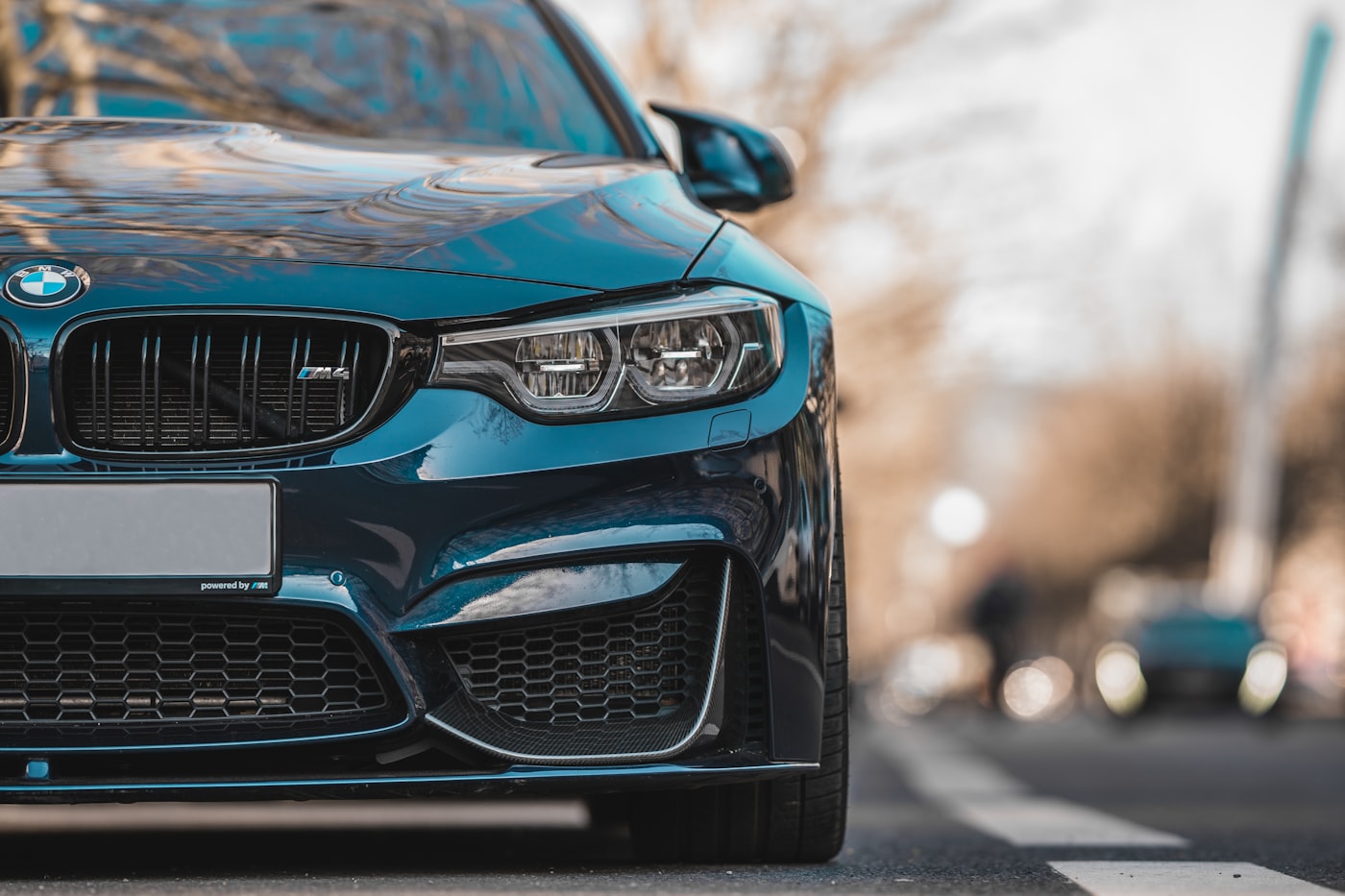
- The hood — the biggest target on the car
- The front bumper — takes the most hits of any panel
- The front fenders — catch everything thrown at an angle
- The mirrors — small, but they face the road and chip constantly
That's why the "full front" package exists. It's not a marketing bundle — it's the impact zone. Those four areas take the overwhelming share of road damage on a normal commuter car.
What full front PPF gets you
Full front coverage seals the impact zone in self-healing film. Rocks hit the film instead of your paint, and light scratches in the film disappear with heat from the sun. Our Stek film is computer-cut to your exact year, make, and model, and carries a 10-year manufacturer warranty against yellowing, bubbling, peeling, and delamination.
For most daily drivers, this is the smart play: you protect where the damage happens and skip paying to film panels that rarely get hit.
When full body makes sense
Some cars — and some owners — justify covering everything:
- You're keeping it long-term. If this is a 5-to-10-year car, protecting every panel protects the whole finish you'll be looking at for a decade.
- Dark paint. Black and deep colors show every swirl, scratch, and chip. Film keeps the entire car looking freshly detailed.
- Soft factory paint. Some manufacturers — many Teslas are a known example — use paint that marks easier than average. More coverage matters more.
- Track days or spirited backroad driving. Higher speeds mean debris hits harder — and hits panels a commuter car rarely takes damage on.
- Door dings and daily abuse. Parking lots scratch doors and quarter panels. Film absorbs a lot of that too.
Full body also means the whole car gets the same finish. Film has a depth to its gloss — on a partial wrap, only film-covered panels have it.
The middle path
It's not either/or. Common add-ons to a full front:
- Rocker panels — the low sides catch spray-up debris from your own tires
- A-pillars and windshield edge — highway-speed strike zone
- Luggage strip — the rear bumper top edge that gets scratched loading cargo
- Door cups and edges — fingernail and door-swing wear
Start with the impact zone, add the wear zones that fit how you actually use the car.
How to decide in two questions
How long are you keeping the car? Under 3 years — full front is plenty. Longer, and the case for more coverage grows with every year.
What would bother you more — a chip on the hood, or a scratch on the door? If any flaw anywhere would eat at you, you're a full-body owner. If it's mainly the front you'd stare at, protect the front.
Either way, the timing matters more than the coverage: film protects the paint that's under it on install day. Do it while the paint is still perfect — that's the window that doesn't come back.
Get a straight answer for your car
Tell us what you drive, how you drive it, and how long you're keeping it — we'll tell you honestly which coverage makes sense. Sometimes that answer is "just do the front." We're fine with that.
Get a quote or call us at (703) 775-4383 — Skyline Customs, Chantilly, VA. You'll get a real recommendation on the phone, not a pitch.
Quick answers
What does full front PPF cover?
The hood, front fenders, front bumper, and mirrors — the panels that face the road and take almost all of the rock strikes.
Is full body PPF ever worth it?
Yes — for cars you plan to keep long-term, dark colors that show every scratch, soft factory paint, or cars that see track days. It protects every panel, not just the front.
Can I start with full front and add more later?
Yes. Full front now, and rocker panels, A-pillars, or the rest of the car later. The film is applied panel by panel.
Do it while it's perfect.
Tell us about your car — we'll give you a straight answer and a real quote on the phone.